01Case studies
Faster.Smarter.Better.
We’re fascinated by how quickly software development is evolving. What used to take weeks can now take just a few days — from the initial idea to the first working version of a product.
We’re constantly experimenting with new AI tools, testing their capabilities and discovering better ways to build software. We’re learning, adapting and exploring what the future of software development looks like — and putting that knowledge into practice.
It’s not just about building software faster. It’s about rethinking how software gets built.


02Featured product
Brief Builder
A brief your client can actually fill in.
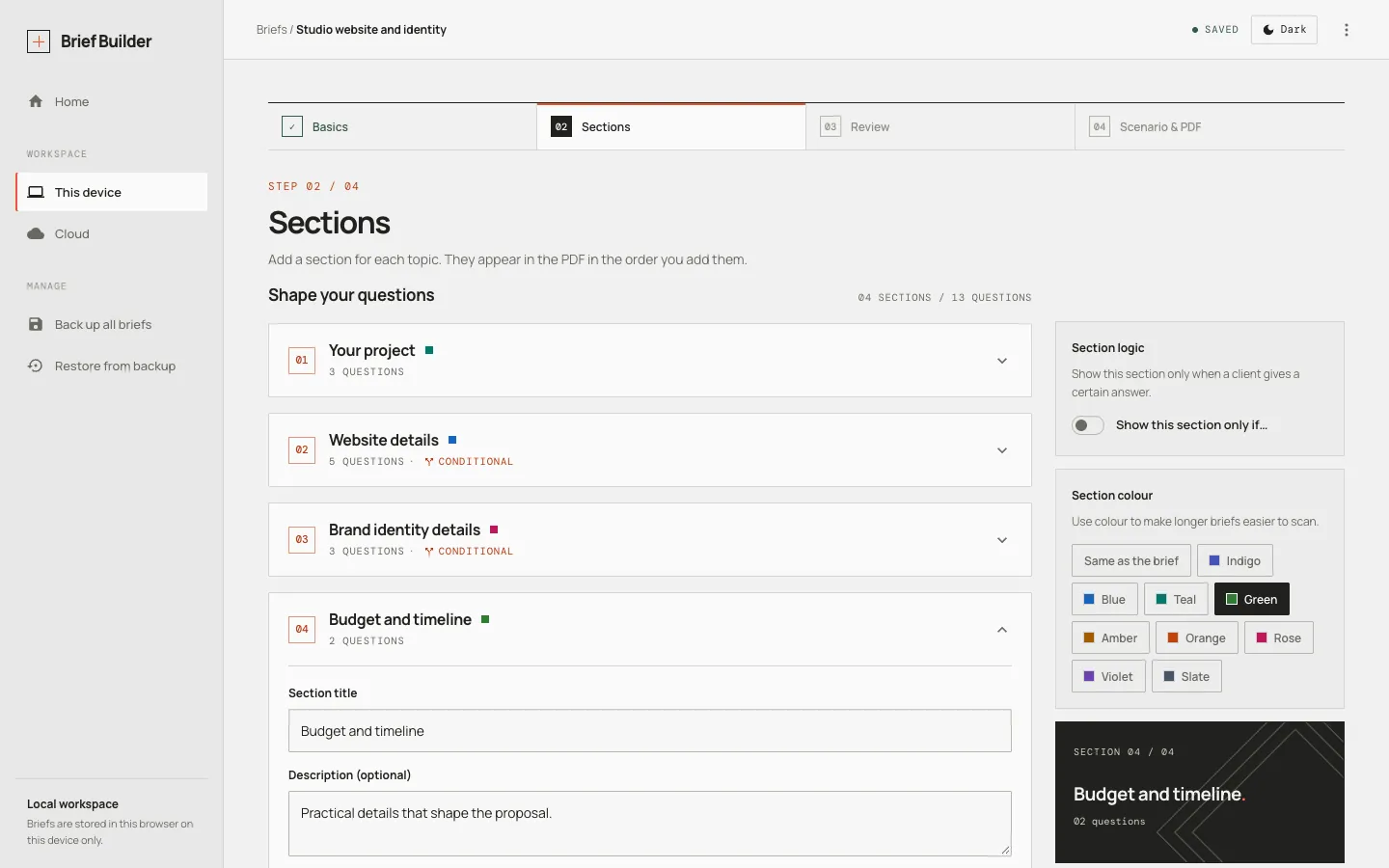
Featured because it shows the whole job: a product we defined, designed, built and still run, with its rule engine, data-safety decisions and tests documented.
The problem
A good brief is the first real conversation of a project, yet it usually starts as a copied document or an online form the client has to sign up for. Questions that don’t apply get asked anyway, and the answers come back scattered.
Three of its decisions
Conditional questions with five states
A question shows only when its rule is definitely true. A rule may only depend on earlier questions; anything else is treated as broken and flagged in Review.
Safe edits
Field names and option values are locked once created. Deleting something a rule depends on lists what is affected and offers a choice; nothing changes silently.
Templates are copied, not linked
Adding a section copies a template from the catalogue into the brief, so later changes to the catalogue never alter existing briefs.
The full case study: Brief Builder Open Brief Builder (opens in a new tab)
Web app (PWA)
Finemy
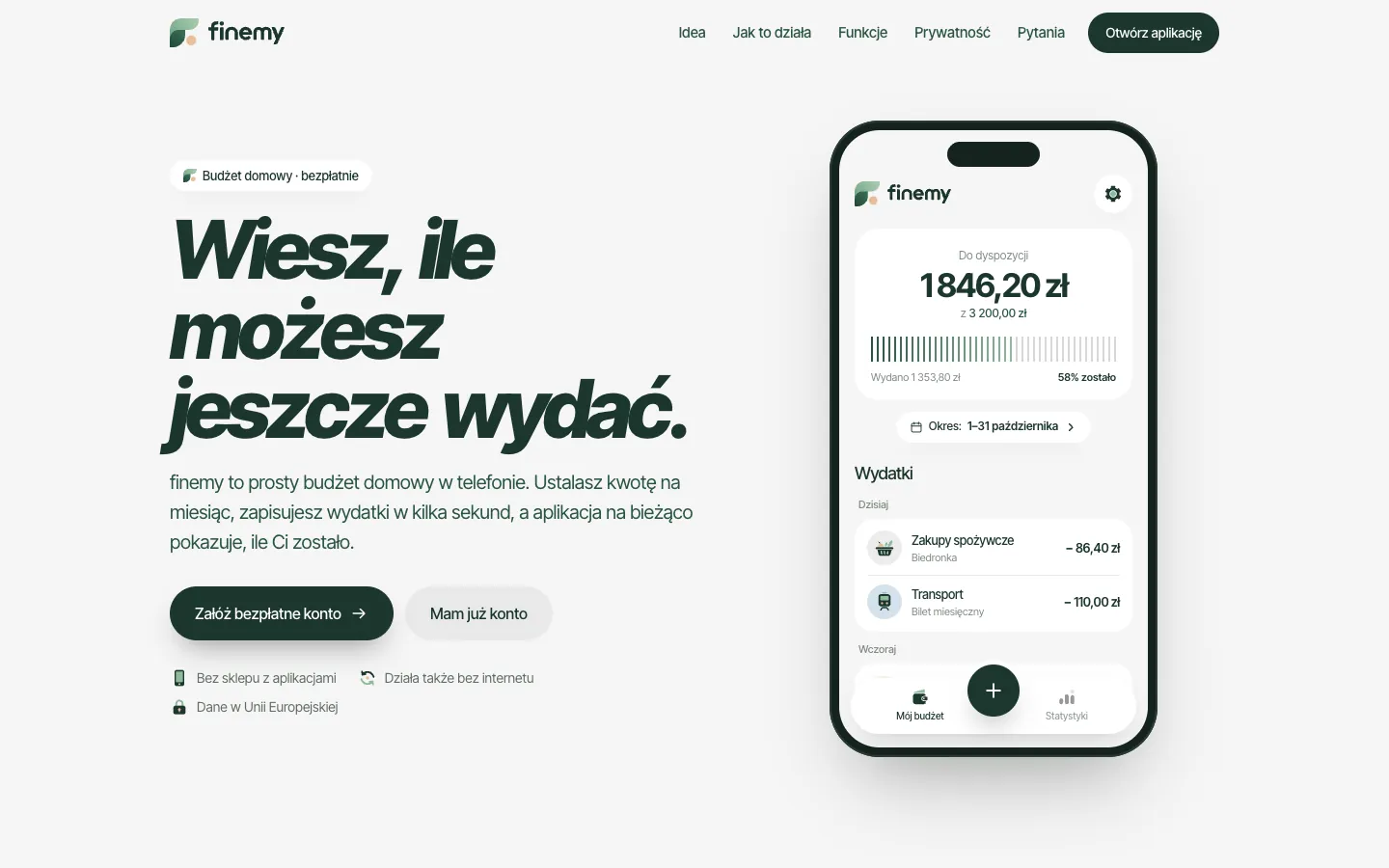
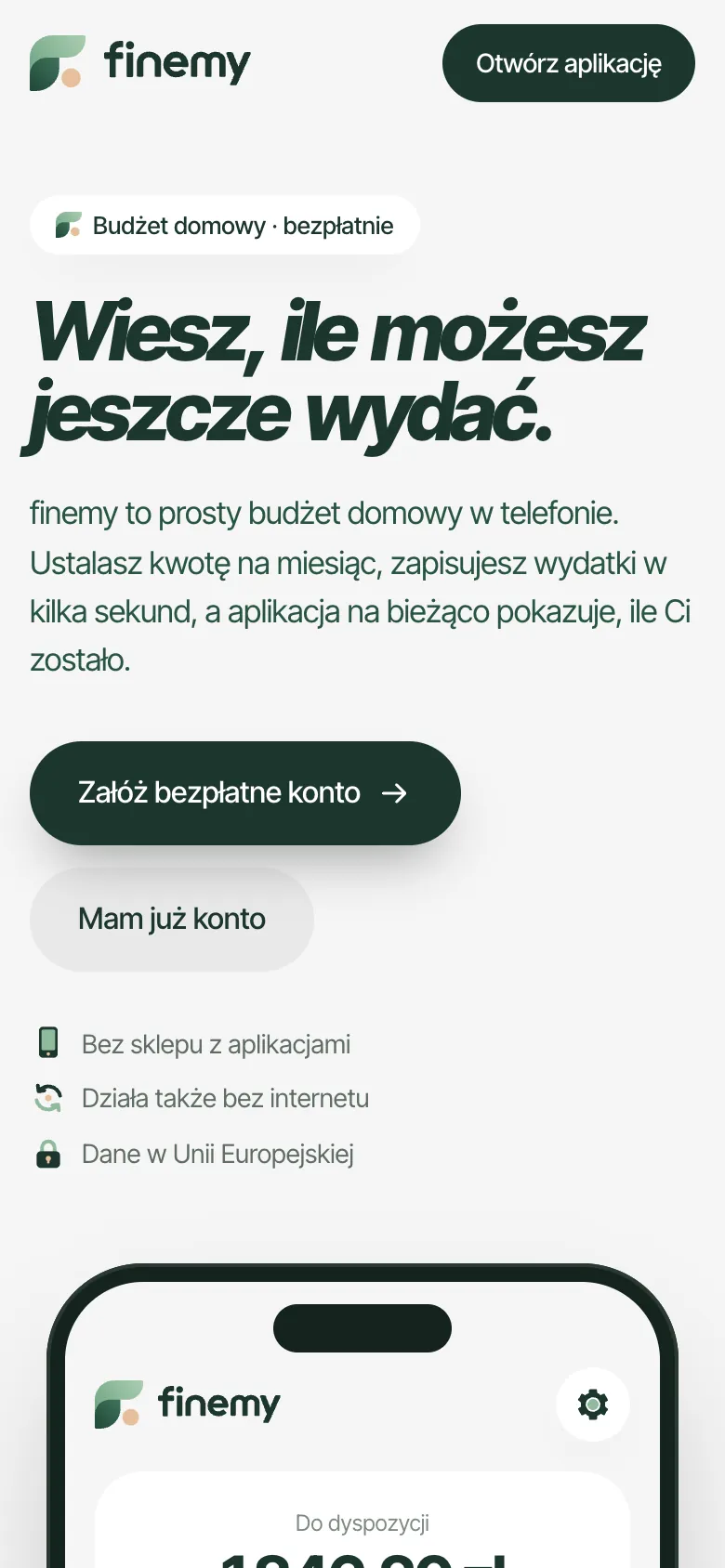
One number instead of a spreadsheet.
Finemy.app is a personal finance and budget management application designed to help users take control of their everyday spending, organise expenses and manage their available money.
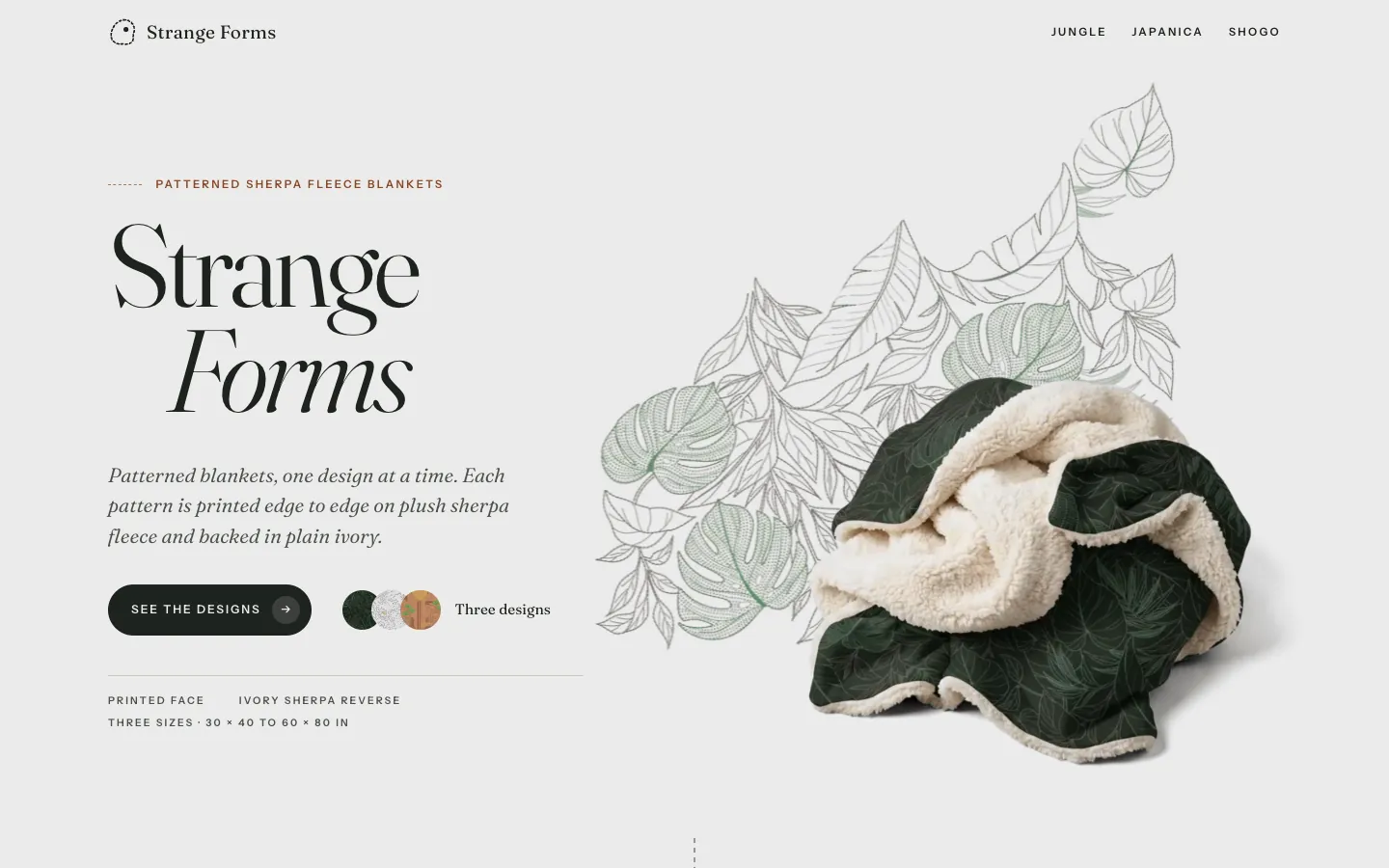
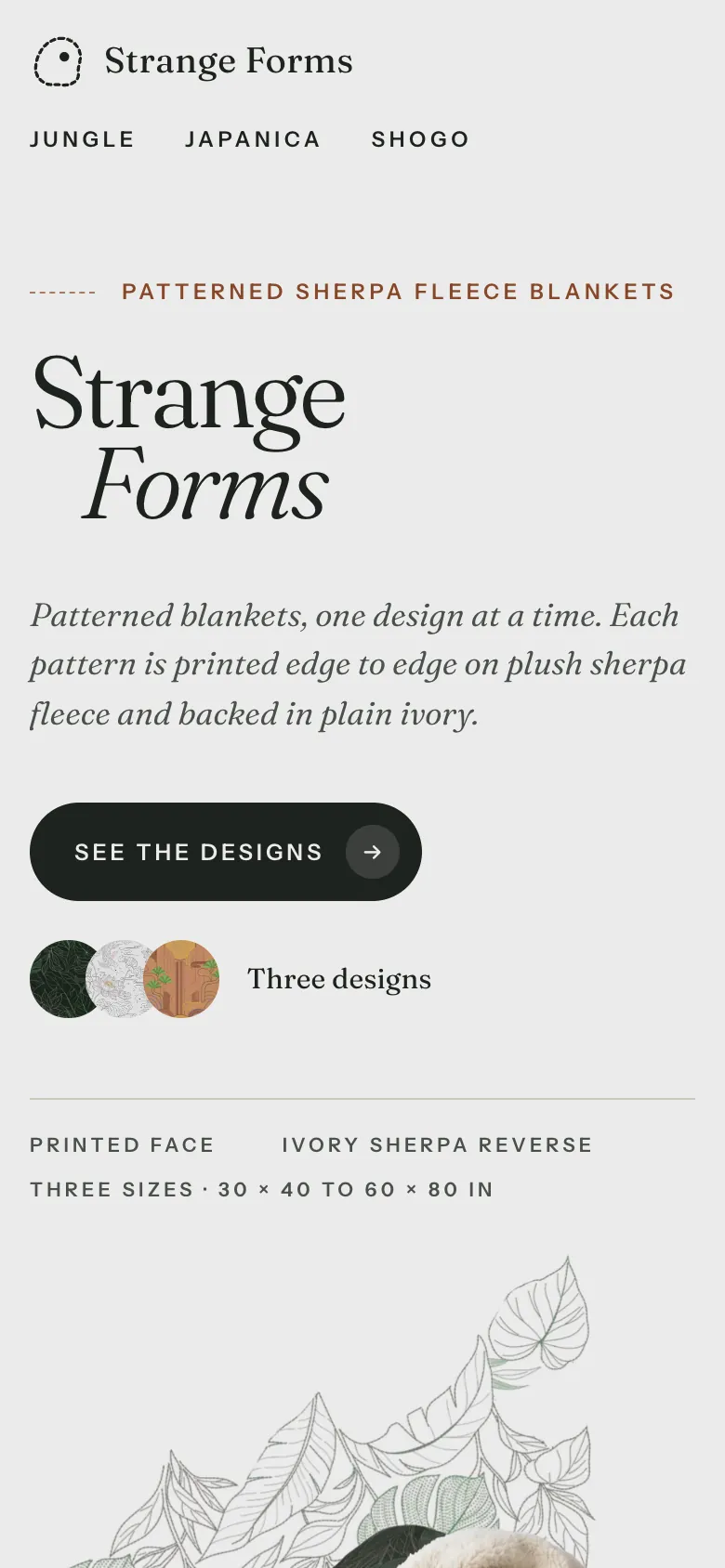
Product brand & E-commerce Integration
Strange Forms
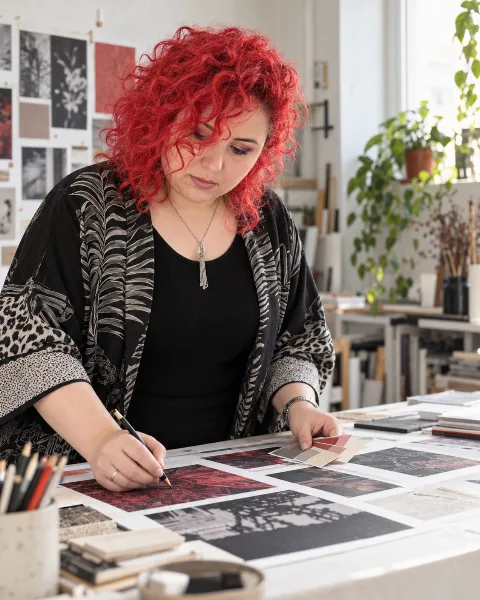
Original patterns created by the brand's artist and designer.
Strange Forms is a small independent brand specialising in artist-designed, patterned sherpa fleece blankets. The website is a product showcase and online catalogue presenting a collection of unique blankets featuring original, digitally illustrated patterns inspired by nature, Japanese aesthetics and geometric compositions.
03How we work
From a clear goal to work you can evaluate.
Steps can overlap, and real work may return to an earlier step.
-
Step 01: Understand the goal
What needs to change, for whom, and within what constraints?
What happens first
Every project starts with the goal.
We clarify the result you need, who the work affects, how things run today and the constraints that matter. Then we agree what a useful result would look like.
-
Step 02: Set a baseline
Where data exists, record how things work today. If it doesn’t, agree how to measure.
-
Step 03: Choose an approach
Compare process changes, existing tools, automation, and AI. Start with the simplest suitable option.
Measure, then choose again: step 05 returns here
-
Step 04: Design and implement
Shape the application or workflow, check it early, and keep people involved where judgment matters.
-
Step 05: Measure and improve
Compare results with the agreed baseline, account for other factors, and decide what to do next.
Measure, then choose again: back to step 03
Outcomes
Agree what success means, then check it.
The right measure depends on the work. We agree what to look at before changes begin, then compare with the baseline where data is available.
What could we measure?
AI Integration & Automation
- Time per task
- Error and rework rate
- Volume handled
- Time from request to result
- Share of cases still handled by hand
AI Engineering
- Task completion
- Drop-off
- Time to complete key tasks
- Repeat use
- Support requests
- User satisfaction
AI Performance GEO, AEO
- Indexed pages
- Search impressions and clicks for agreed searches
- Qualified enquiries
- Dated checks of how search and AI assistants describe the business
Results can have several causes. We report what the measures show and what they cannot establish.
Start here
Building something like this?
Tell us about the product or the problem. We’ll tell you honestly whether we can help and what it would take.
or write to hello@axdesigners.net · What to include